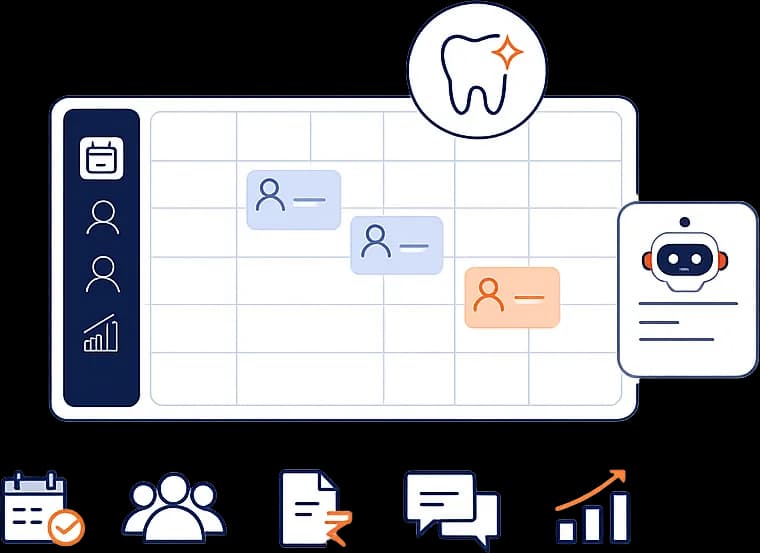
TL;DR: Dental practice software runs the operational side of a practice — scheduling, patient management, treatment plans, imaging — and increasingly uses AI to cut no-shows and automate admin. The key requirements are integration with existing systems (Open Dental, Dentrix, Eaglesoft) and HIPAA-ready handling of patient data.
Dental practice software covers patient scheduling AI, practice management, EHR/imaging integration, treatment-plan automation and no-show prediction. It serves solo practices, DSOs (10–500+ locations) and dental SaaS vendors, integrating with Open Dental, Dentrix and Eaglesoft — and it's built HIPAA-ready and BAA-ready.
This is an industry-hub guide; for the underlying engineering see building to HIPAA and healthcare software development.
What does dental practice management software do?
It runs the day-to-day operations of a dental practice, including:
- Patient scheduling — increasingly with AI to optimize the calendar.
- Practice management — patient records, billing and workflow.
- EHR / imaging integration — connecting clinical records and X-rays.
- Treatment-plan automation — generating and tracking plans.
- No-show prediction — flagging appointments likely to be missed.
It serves solo practices, DSOs (10–500+ locations) and dental SaaS vendors.
How does AI scheduling reduce patient no-shows?
AI scheduling reduces no-shows in two ways. First, no-show prediction scores each appointment on its likelihood of being missed — based on patterns like history, lead time and appointment type — so staff can target reminders and overbook intelligently. Second, smart scheduling fills gaps and offers at-risk slots to patients more likely to attend. The result is fewer empty chairs and more productive days, without manually chasing every patient.
Why no-shows matter so much in dentistry
An empty chair is lost revenue that can't be recovered, and no-shows quietly erode a practice's margins. Even a modest reduction in no-show rate, compounded across a busy schedule, has a direct and meaningful impact on revenue — which is why prediction and smart scheduling are among the highest-ROI AI features for practices.
Does the software integrate with Open Dental, Dentrix and Eaglesoft?
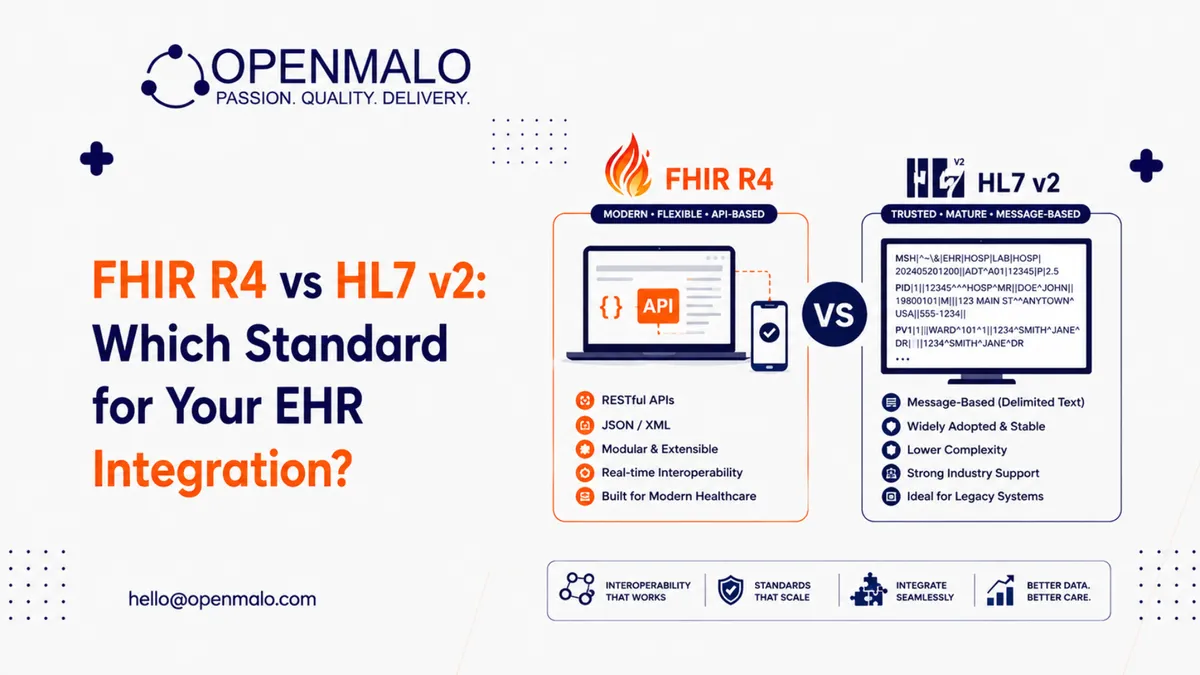
Yes — integration with the systems practices already use (Open Dental, Dentrix and Eaglesoft) is essential, because practices won't replace their core system to adopt a new tool. Integration lets new software read and write patient, scheduling and clinical data with the existing platform, so it adds capability without forcing a rip-and-replace or duplicate data entry.
Is dental patient data HIPAA-compliant, and is the architecture BAA-ready?
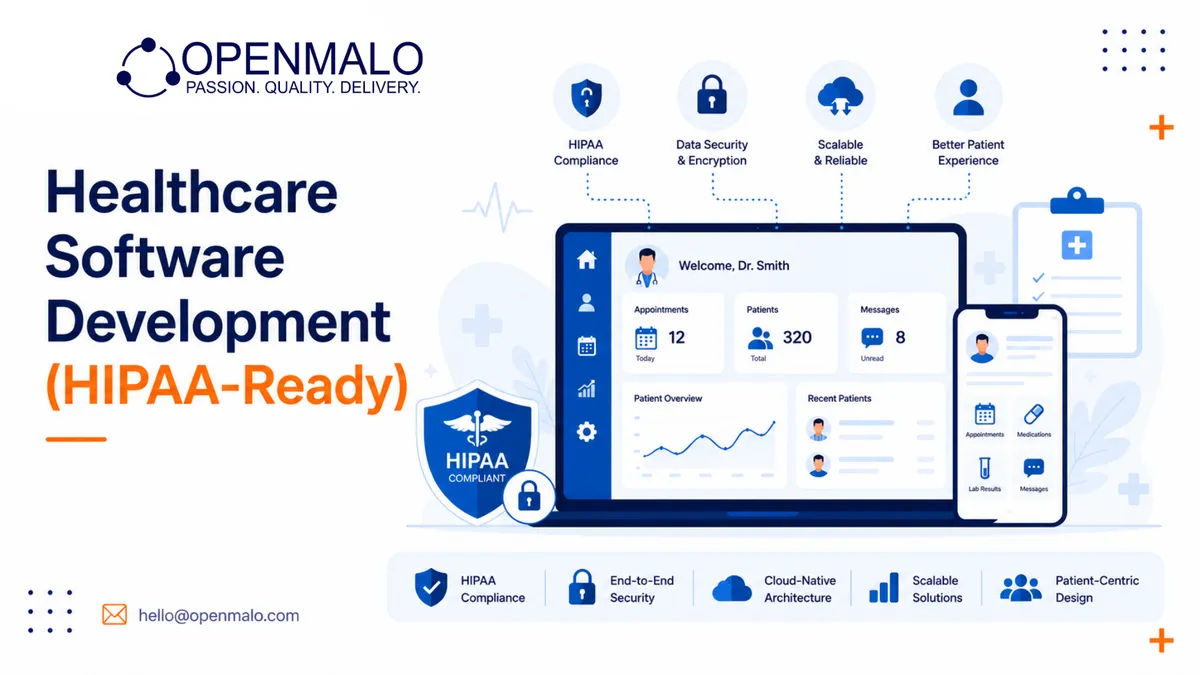
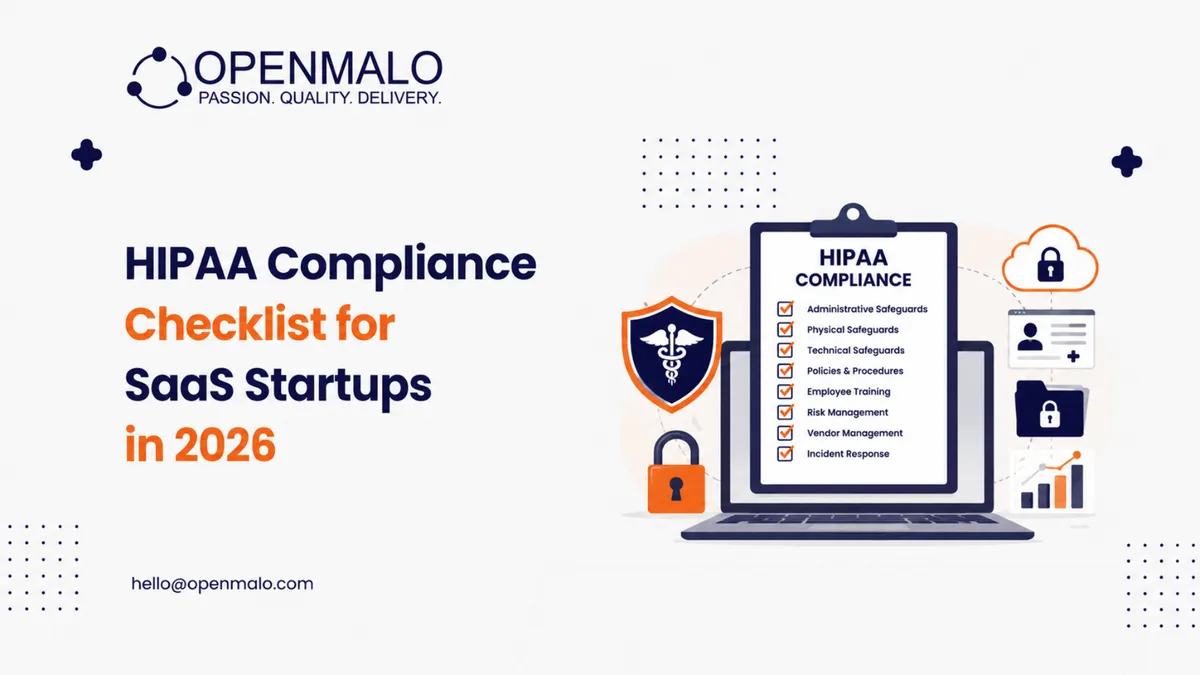
Dental patient data is protected health information, so the software is built HIPAA-ready with a BAA-ready architecture — encryption in transit and at rest, least-privilege access, and audit trails. A Business Associate Agreement can be signed to govern how patient data is handled. As with all healthcare work, the system is engineered to HIPAA and aligned with it under a BAA, rather than certified by the developer. See HIPAA software engineering.