The Death of the Chatbot, The Rise of the Agent
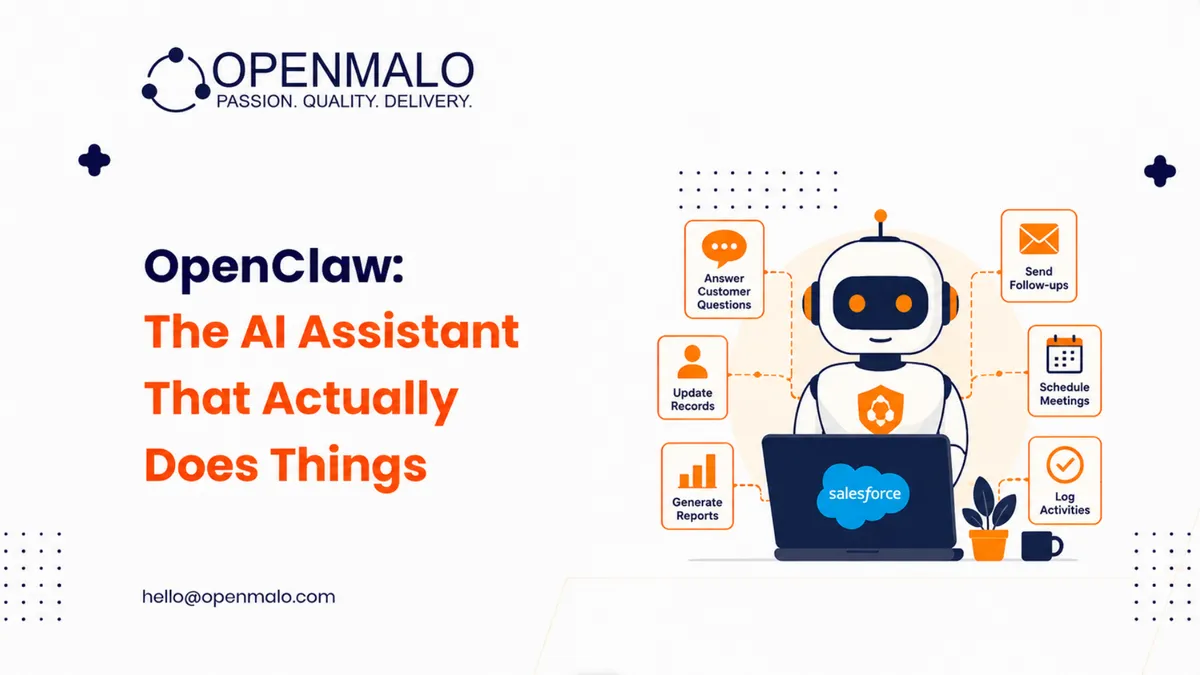
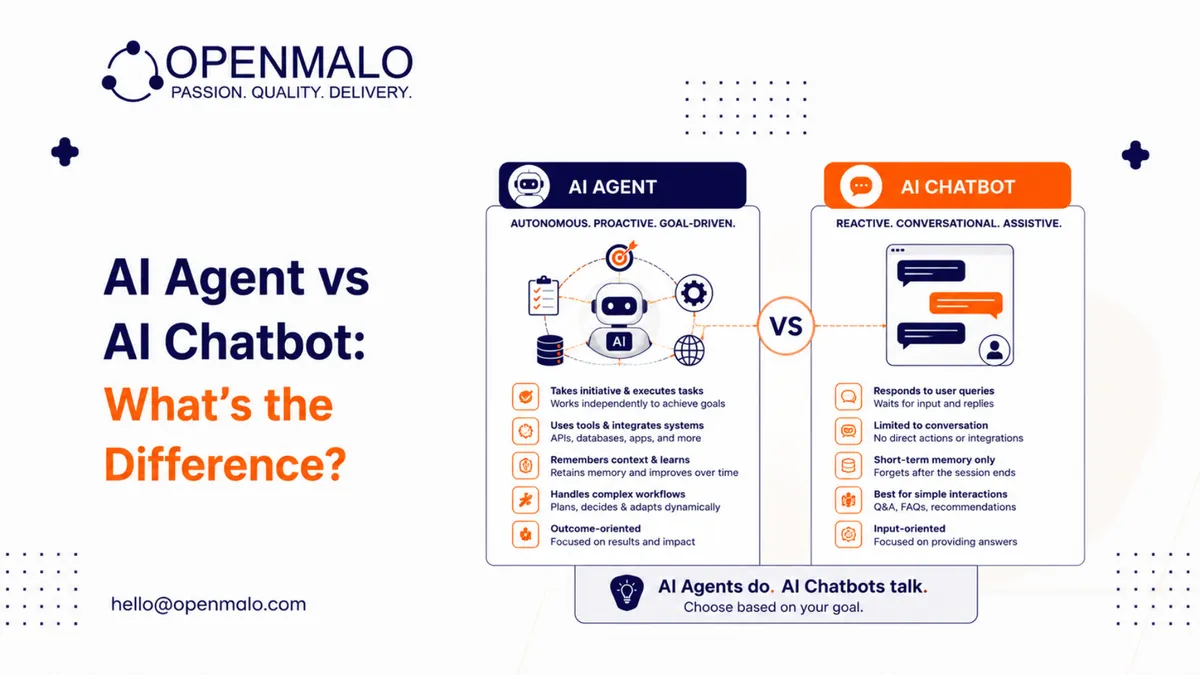
If 2024 was the year of the "prompt" and 2025 was the year of "integration," then 2026 is the year of the Agent. We are officially done with chatbots that just talk. Nobody wants a digital pen pal; we want digital employees. We want systems that don't just tell us how to book a flight but actually open the browser, find the seat, and put it on the company card.
Enter Openclaw.
In the last three months, Openclaw has shattered GitHub records. It isn't just another wrapper for an LLM. It is a paradigm shift in how we interact with silicon. While big tech tries to lock you into their "garden," Openclaw gives you the keys to the entire estate.
What is Openclaw? The "Lobster" Philosophy
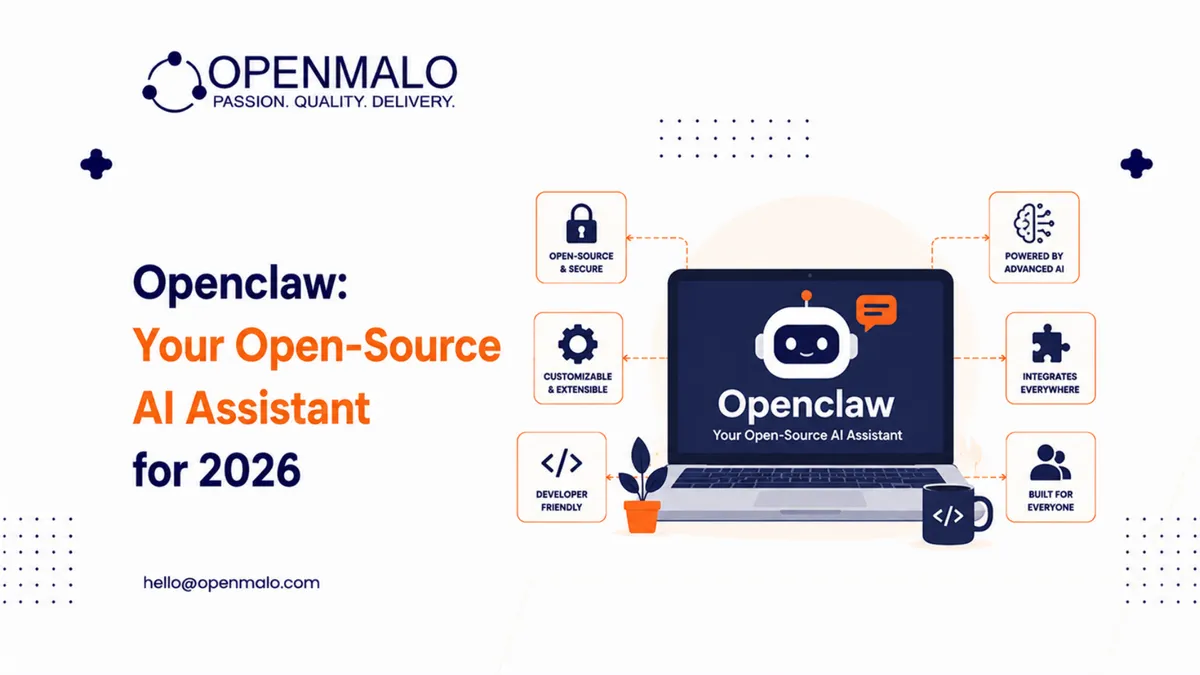
Openclaw is an MIT-licensed, open-source AI assistant framework designed to run locally on your hardware. It operates on what the community calls the "Lobster Philosophy": Hard on the outside (aggressive security and local-first data), soft on the inside (seamless, intuitive user experience).
Unlike ChatGPT or Claude—which live in a browser tab—Openclaw lives in your infrastructure. It connects to the apps you already use: WhatsApp, Slack, Telegram, Signal, and iMessage. It doesn't wait for you to "chat" with it. It monitors your world via a Heartbeat system, proactively reaching out when it notices a scheduled meeting is missing an agenda or a server's disk space is hitting 90%.
The 2026 Tech Breakdown: How It Actually Works
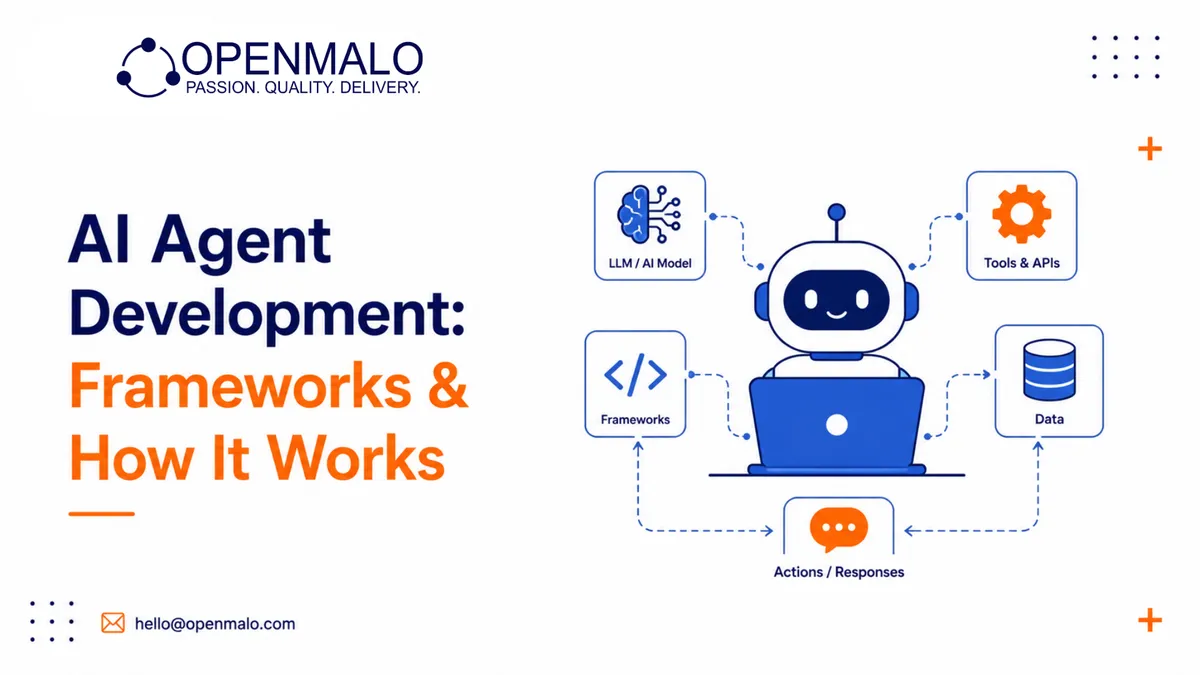
You don't need a PhD in Neural Networks to understand why Openclaw is winning. Its architecture is built on three pillars:
1. The Gateway Control Plane
This is the "brain." The Gateway runs as a background service (daemon) on your machine. It manages your sessions, handles message routing from 15+ different chat channels, and stores your Persistent Memory.
2. Model Agnosticism
Openclaw doesn't care which LLM you use. You can plug in closed models like GPT-5 or Claude 4.5, or run local models like Llama 4 via Ollama. This prevents vendor lock-in and allows you to swap "brains" as the market evolves.
3. AgentSkills (The Execution Layer)
This is the execution layer. Through modular YAML and Markdown files, Openclaw can execute shell commands, automate browsers to fill out forms, and manage your local file system without human intervention.
Openclaw vs. The Giants: Why Open Source Wins
The market is currently split between "Convenience" (Claude Code, OpenAI Operators) and "Control" (Openclaw). While the big-box AI providers offer a polished, "it just works" experience, they come with a hidden tax: Your Data.
In a closed-source ecosystem, every internal strategy doc you feed the AI is training data for a competitor's future model. Openclaw flips the script. Because it is local-first, your proprietary data never leaves your VPC (Virtual Private Cloud).
Furthermore, closed-source agents are "lobotomized" by corporate safety guardrails that often prevent them from performing high-level system tasks. Openclaw is a power tool. It assumes you are an adult who knows how to manage permissions—and that is why the global developer community has pivoted toward it.
Sector-Specific Use Cases: From Founders to Students
For Founders & CEOs
Stop spending 2 hours a day on "admin theatre." Connect Openclaw to your Stripe and Slack. Have it monitor churn events and automatically draft a personalized recovery email, but wait for your "Thumbs up" emoji in WhatsApp before sending.
For HR Professionals
Automate the "First Week" experience. Openclaw can monitor new hire starts, send onboarding documents via Signal, and check in every morning at 9 AM to ask if they have access to the tools they need. It turns a manual checklist into an autonomous workflow.
For Developers
"Openclaw, watch the CI/CD pipeline. If the build fails, analyze the logs, find the breaking change, and DM the dev who pushed the code with a suggested fix." This isn't a dream; it's a standard Monday morning in 2026.
For Enterprise Buyers
The ROI of Openclaw isn't just "efficiency"—it's de-risking. By owning the assistant infrastructure, you aren't at the mercy of a SaaS provider's 20% price hike or a sudden API deprecation.
For Students
Give Openclaw your syllabus. It can proactively remind you of deadlines, summarize 50-page PDFs into 5-minute voice notes, and quiz you on key concepts via Telegram while you're on the bus.
The Business Impact: ROI and Implementation
In 2026, the question isn't "Should we use AI?" but "How much of our workflow is autonomous?" The ROI is found in the "Middle Mile." Companies lose millions in the gap between "Insight" and "Action."
An AI might tell you your inventory is low (Insight), but Openclaw actually drafts the purchase order and sends it to your vendor (Action). By reducing the "Human-in-the-loop" requirement to a mere "Human-as-approver," you slash operational latency by 80%.
The Elephant in the Room: Security and Risks
I won't sugarcoat this. Giving an AI agent system-level access to your computer is a security nightmare if handled poorly.
- Prompt Injection: An attacker could send you an email that, when read by Openclaw, triggers a command to "Delete all files."
- Tool Poisoning: Downloading "Skills" from unverified community repos is like running an unknown
.exefile from a random forum. - Credential Leakage: If you don't use a secure vault for your API keys, your agent becomes a liability.
The Fix: Always run Openclaw in a Docker Sandbox for untrusted tasks. Use the "Least Privilege" principle.
The Future: 2027 and Beyond
We are moving toward Multi-Agent Orchestration. Soon, your Openclaw agent won't just talk to you; it will talk to other agents. Your personal agent will negotiate with a vendor's agent to get a better price on a software license.
The "Internet of Humans" is becoming the "Internet of Agents." If you aren't building your own autonomous infrastructure today, you'll be paying a "tax" to those who did by 2028.
Move From Idea to Scalable Product
The era of "talking to AI" is over. We are now in the era of AI doing the work. At Openmalo Technologies, we don't just follow trends—we build the infrastructure that defines them. Whether you are looking to integrate autonomous agents into your CRM, build a custom SaaS with agentic workflows, or secure your enterprise AI stack, we have the 13+ years of expertise to make it happen.
Let's build the future of your business together. Contact Openmalo Technologies for:
- Custom AI & GPT Integrations
- Scalable SaaS Application Development
- Web and Mobile App Development
- Enterprise-Grade Cloud Solutions
- Precision UI/UX for AI Workspaces
Reach out to our strategists today and let's turn your "What if?" into a "What's next."