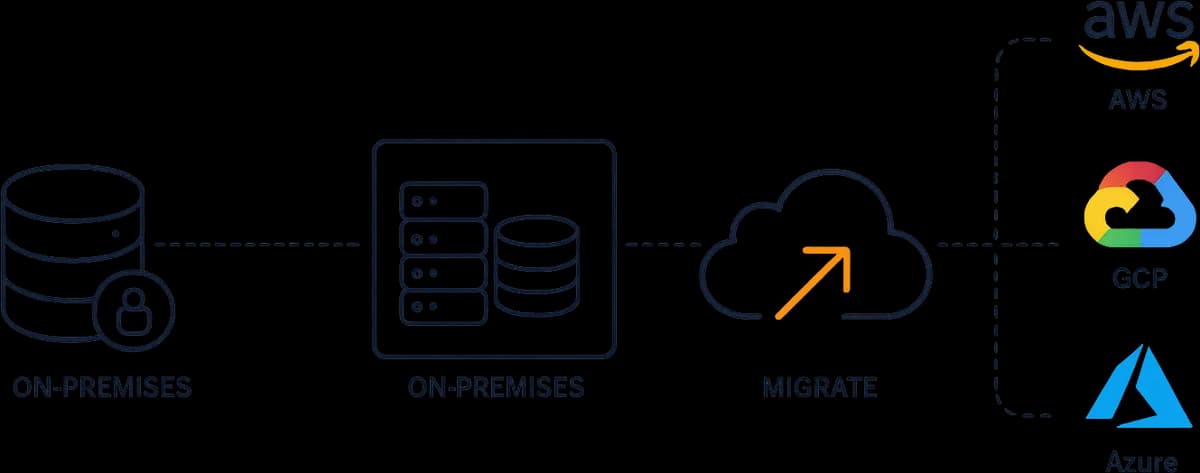
TL;DR: Cloud migration moves your applications and data to the cloud (AWS, GCP, Azure). The best migrations modernize as they go — containerizing, re-platforming or re-architecting — rather than just lifting and shifting. The keys to a safe migration are minimal downtime, a rollback plan, and migrating incrementally.
Cloud migration services move and modernize workloads onto AWS, GCP and Azure — re-platforming, containerizing and re-architecting legacy systems — with minimal downtime and a clear rollback plan. Done well, migration is a chance to modernize, not just relocate.
This post sits under our pillar on data foundations for AI, and pairs with legacy modernization.
What do cloud migration services include?
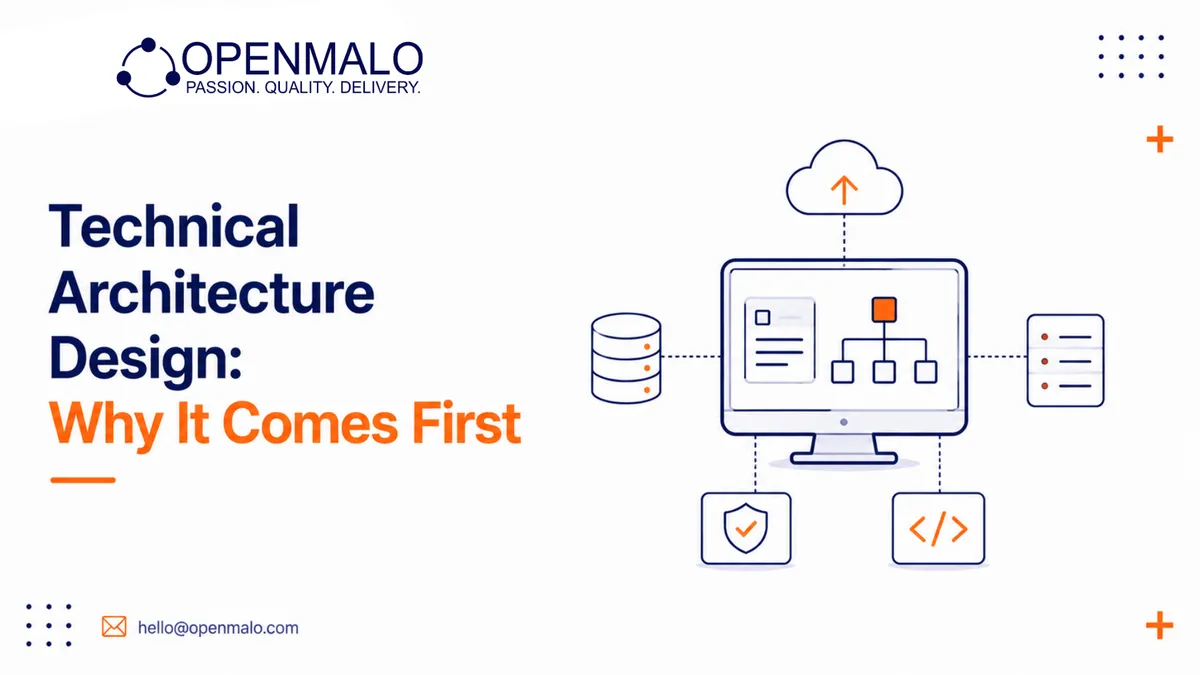
- Assessment — what to move, in what order, and how.
- Re-platforming — moving onto modern managed services.
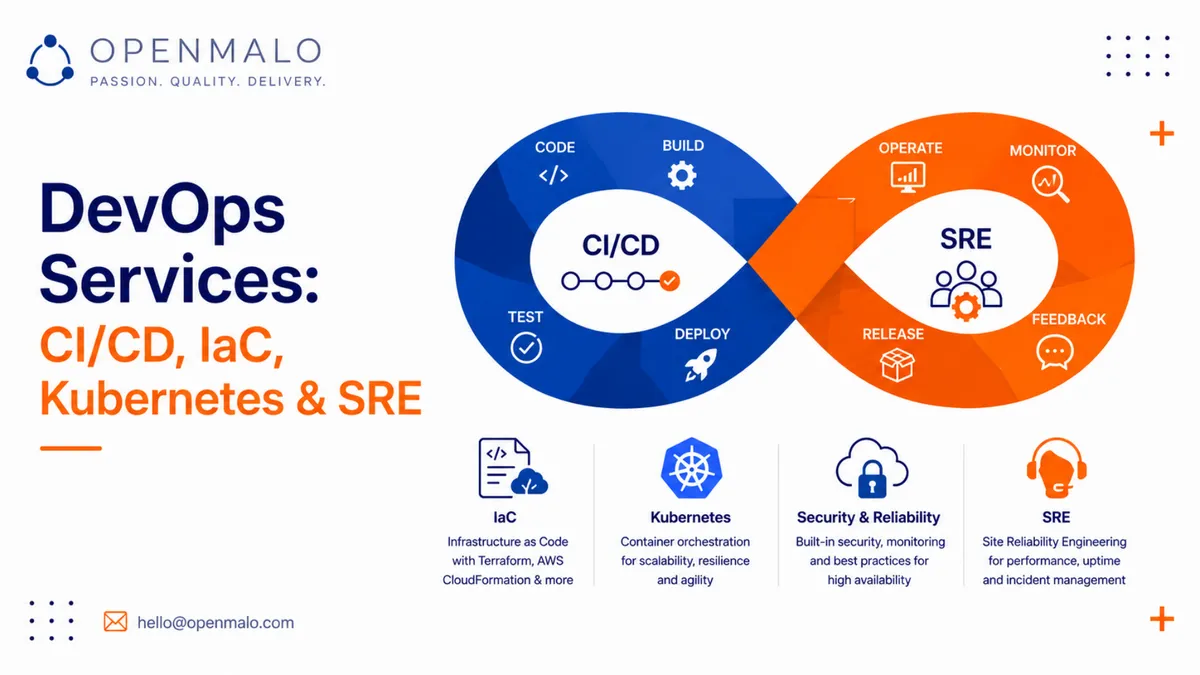
- Containerizing — packaging apps to run reliably (often on Kubernetes).
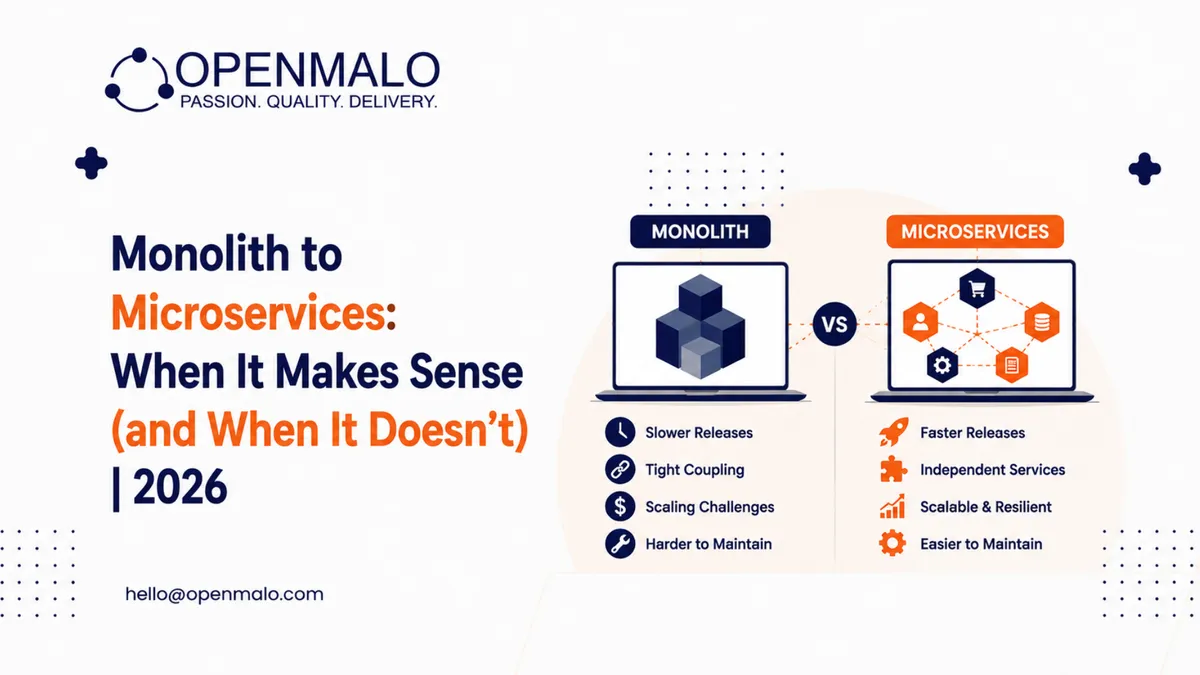
- Re-architecting — redesigning for cloud-native scalability where it pays off.
- Cutover & rollback — minimal-downtime switch with a clear way back.
How do you migrate to the cloud without major downtime?
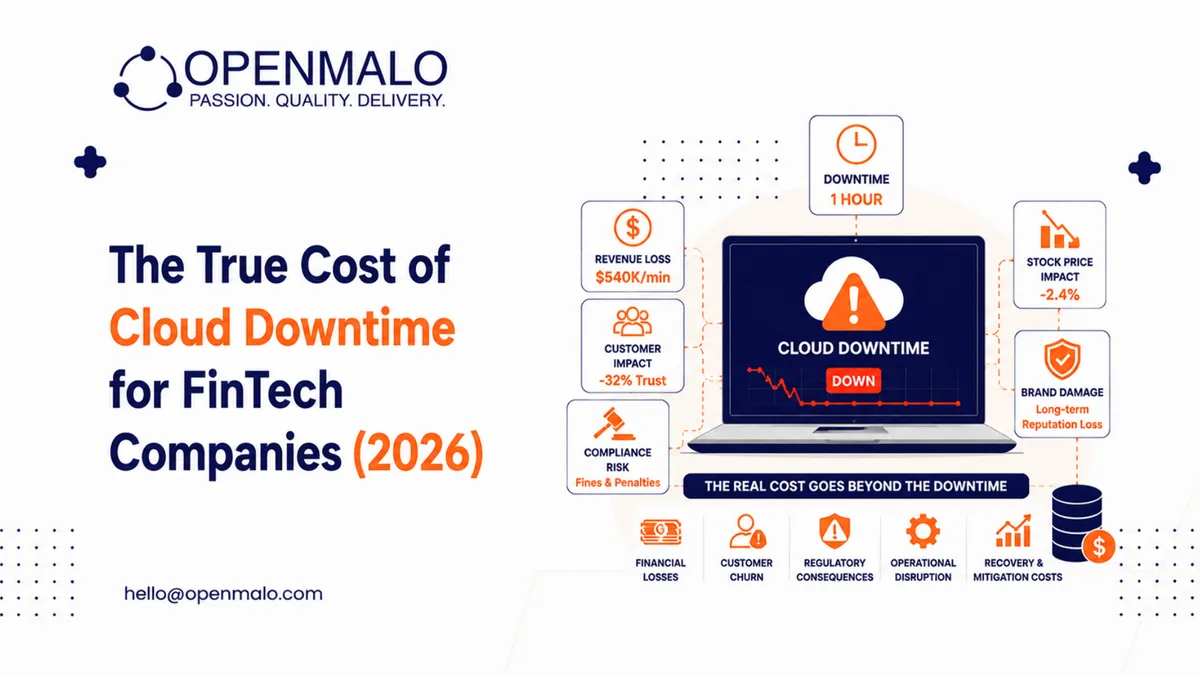
The same principle as legacy modernization: go incrementally. Migrate in waves, validate each in production-like conditions, keep a rollback path, and cut over piece by piece rather than all at once. This keeps the business running and turns a high-stakes "big bang" into a series of safe, recoverable steps.
Lift-and-shift vs modernize
A pure lift-and-shift (copy as-is) is fast but carries old inefficiencies into the cloud — and often higher bills. Modernizing during migration (containerizing, using managed services) costs more upfront but pays off in scalability and cost. The right balance depends on each workload; not everything needs re-architecting.
Which cloud should you choose?
AWS, GCP and Azure are all capable; the right choice depends on your existing stack, team skills, specific services you need, and pricing. A good partner recommends based on your situation rather than a vendor preference — and multi-cloud is an option where it genuinely reduces risk or lock-in.