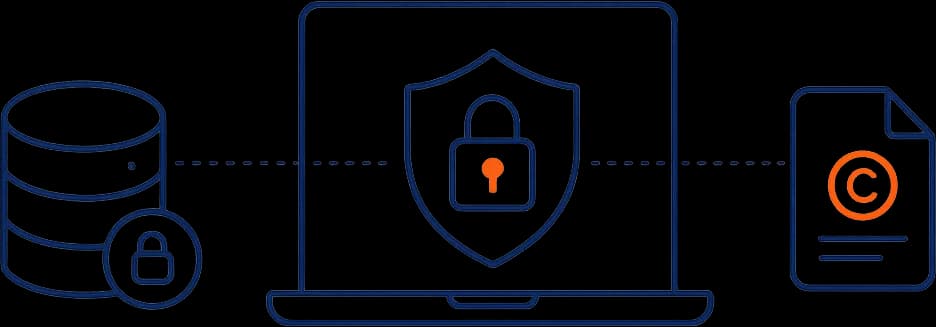
TL;DR: Two questions every business should ask an AI partner: Who owns what you build? and How is our data protected? The right answers are: you own all source code, models and IP; and your data is secured with NDAs/DPAs, least-privilege access, encryption, and the option to keep everything inside your own cloud or on-prem perimeter.
With a reputable partner, you own all the code, models and IP that are built for you, and your data is protected through NDAs and DPAs, least-privilege access, encryption in transit and at rest, and — where required — building entirely within your own perimeter so sensitive data never leaves.
This post sits under our pillar on self-hosted LLMs in regulated industries.
Who owns the code and IP an AI partner builds?
You do. On client engagements with a reputable partner, all source code, models and IP are transferred to you. A good partner can also work directly within your repositories and infrastructure, so you retain full control throughout the project — not just at handoff. If a vendor wants to keep the IP or lock you into their platform, treat it as a red flag (see hiring an AI consulting partner).
How is your data protected during an AI project?
Through layered controls:
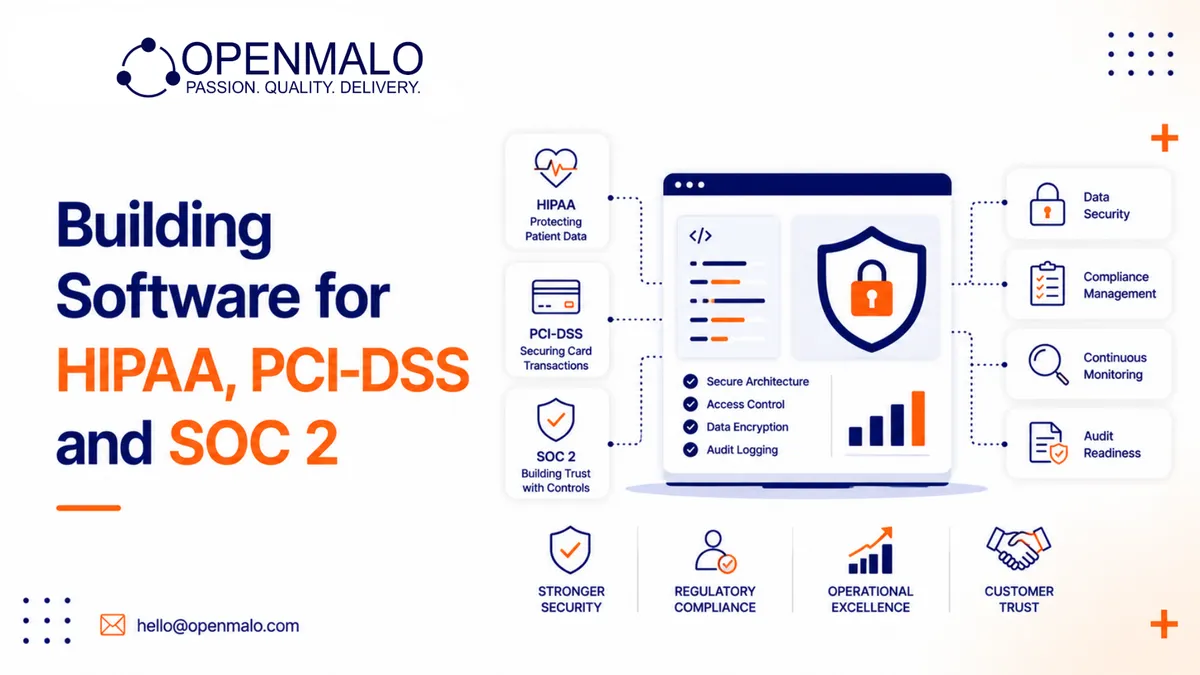
- Legal — work under NDAs and Data Processing Agreements (DPAs).
- Access — least-privilege; people see only the data they need.
- Encryption — data protected in transit and at rest.
- Perimeter — the option to build entirely within your cloud or on-prem, including self-hosted LLMs, so sensitive data never leaves your environment.
- Auditability — logs of access and changes for accountability.
Why "data never leaves your environment" matters
For sensitive data, the strongest protection is architectural: if the data physically stays inside your perimeter, there's no third party to trust and far less to defend to auditors. That's why regulated builds favor self-hosting and private infrastructure over assurances about an external vendor's handling.
What is data governance and privacy?
Data governance defines who can access what data, how it's classified, retained and protected — aligned with frameworks like GDPR, DPDP and HIPAA. It's essential before scaling AI on sensitive data, because AI systems read across large amounts of information and can expose data that wasn't governed properly. Good governance is the foundation that makes compliant AI possible.
How do you keep an AI system from exposing data it shouldn't?
- Permission-aware retrieval — the model only surfaces documents the current user is allowed to see.
- Least-privilege access — both for people and for the system's own components.
- Data minimization — don't send sensitive data the task doesn't need.
- Self-hosting — for the strictest cases, keep model and data inside your perimeter.
These controls are part of safely adding an LLM to your product.