TL;DR: Compliance consulting means engineering your system so it meets the requirements of frameworks like HIPAA, PCI-DSS, SOC 2 and GDPR from the start — access controls, encryption, audit trails, data handling. The build partner aligns your software with the standards; formal certification is granted by qualified auditors and certifying bodies, not the developer.
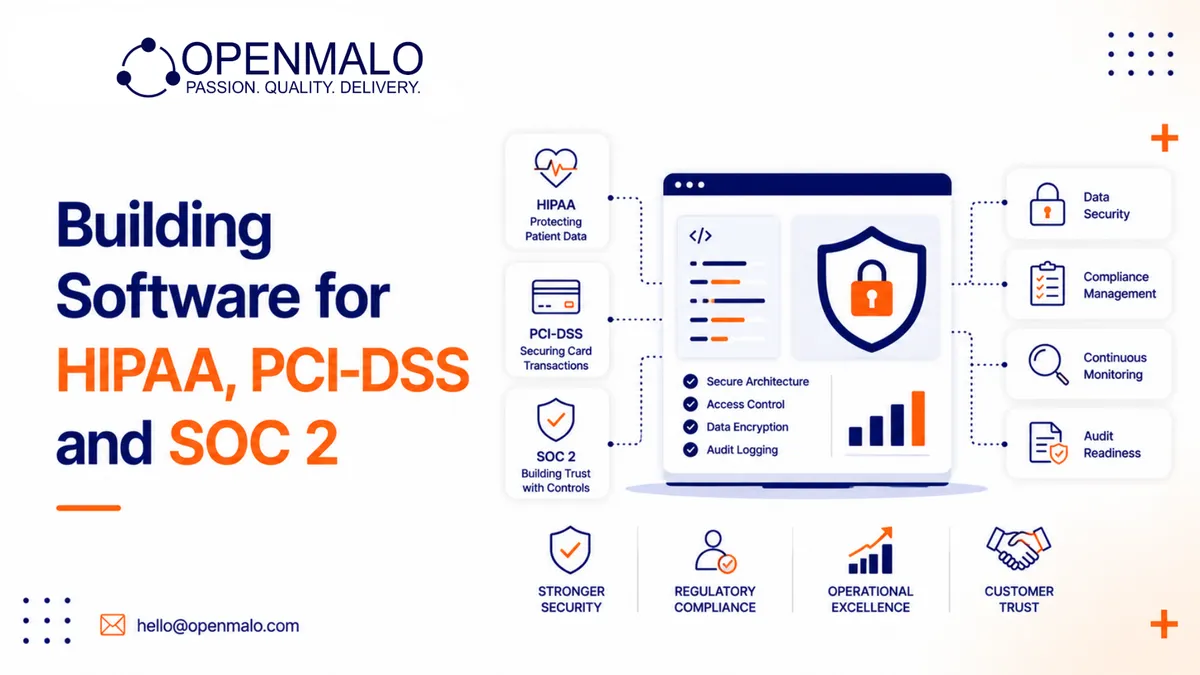
Compliance management consulting helps you design and implement software against frameworks like HIPAA, PCI-DSS, SOC 2 and GDPR — building compliant-by-design architecture and controls. An important distinction: a development partner builds to these standards and aligns with them; it is not a certifying body.
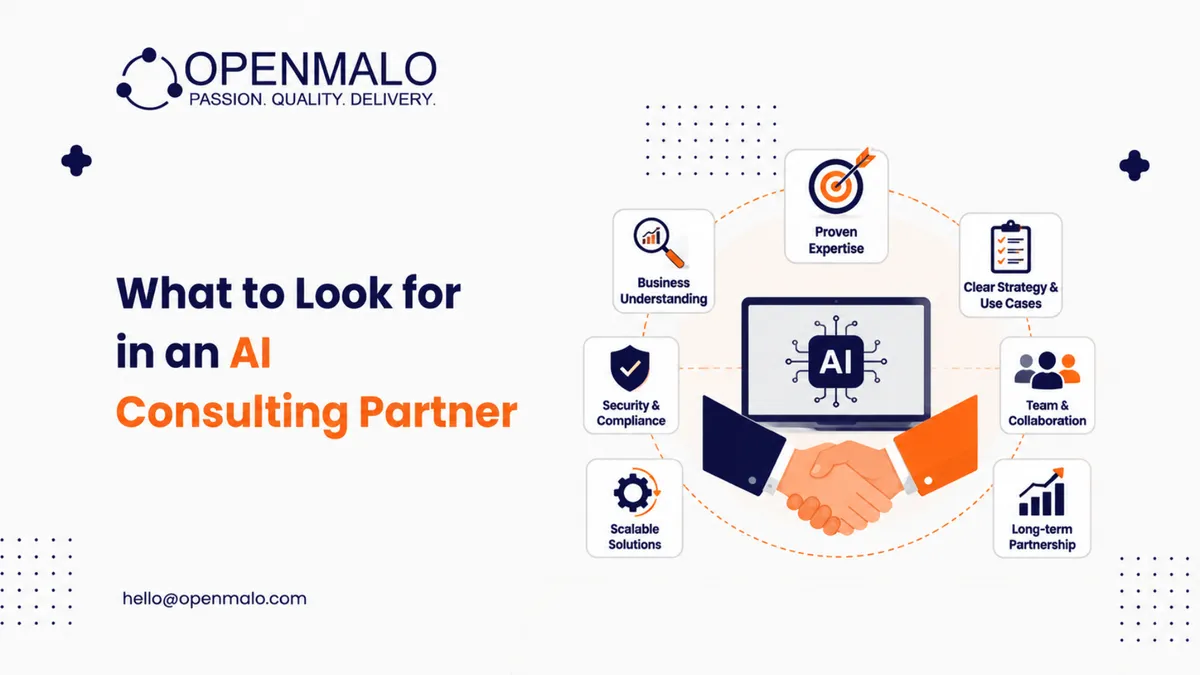
This post sits under our pillar on hiring an AI consulting partner.
What is compliance management consulting?
It's helping you build software that satisfies regulatory and security frameworks, by designing the right architecture and controls and implementing them correctly. Rather than bolting compliance on at the end, the goal is compliant-by-design — security and data-handling requirements built into the system from the start, which is far cheaper and more reliable.
Which compliance frameworks does this cover?
Common frameworks a build partner helps you align with:
- HIPAA — protected health information in healthcare software.
- PCI-DSS — payment card data in FinTech and payments.
- SOC 2 — security, availability and confidentiality controls for SaaS.
- GDPR / DPDP / CCPA — personal-data privacy across regions. See data security & IP.
What's the difference between "building to" a standard and "being certified"?
This is the part that matters most. A development partner engineers your software against a framework's requirements — the controls, architecture and documentation needed to meet it. Formal certification or attestation (for example a SOC 2 report, or a PCI assessment) is issued by independent qualified auditors and certifying bodies. A trustworthy partner is clear about this line: they build to and align with the standards your industry and auditors require, rather than claiming to certify you themselves.
Why this honesty protects you
Vendors who overstate compliance — "certified" when they mean "built toward" — create legal and reputational risk for you. The right partner states plainly what they engineer against and where independent auditors come in, so your claims to customers and regulators are accurate.
What does compliant-by-design architecture include?
- Access control — least-privilege, role-based permissions.
- Encryption — data protected in transit and at rest.
- Audit trails — who did what, when — for accountability and review.
- Data handling — retention, residency and deletion aligned to the framework.
- Self-hosting where required — keeping sensitive data in your perimeter via a self-hosted LLM.