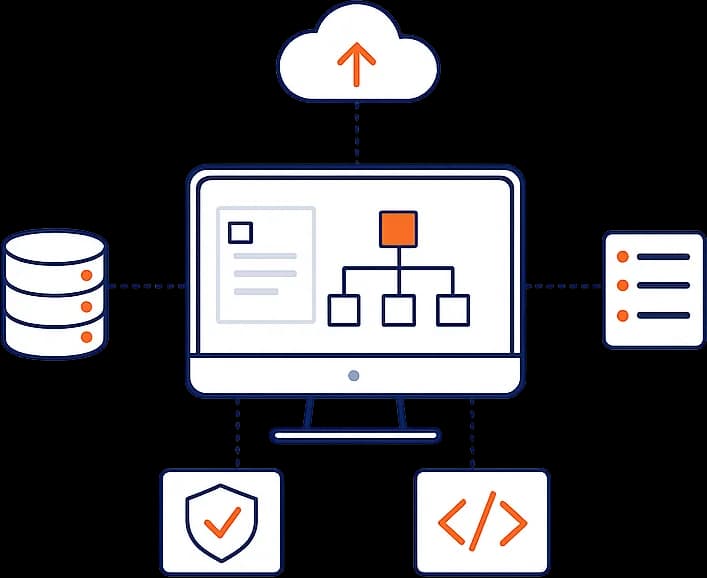
TL;DR: Architecture is the set of high-level decisions about how software is built — how it's split into services, how data flows, how it scales and stays secure, and how it integrates. Deciding this deliberately before development is far cheaper than discovering you got it wrong after launch.
Technical architecture design defines how your system is structured — services, data, scaling, security and integrations — before heavy development starts. Getting it right up front prevents the costly rebuilds and outages that come from architecture decisions made by accident.
This post sits under our pillar on hiring an AI consulting partner.
What is technical architecture design?
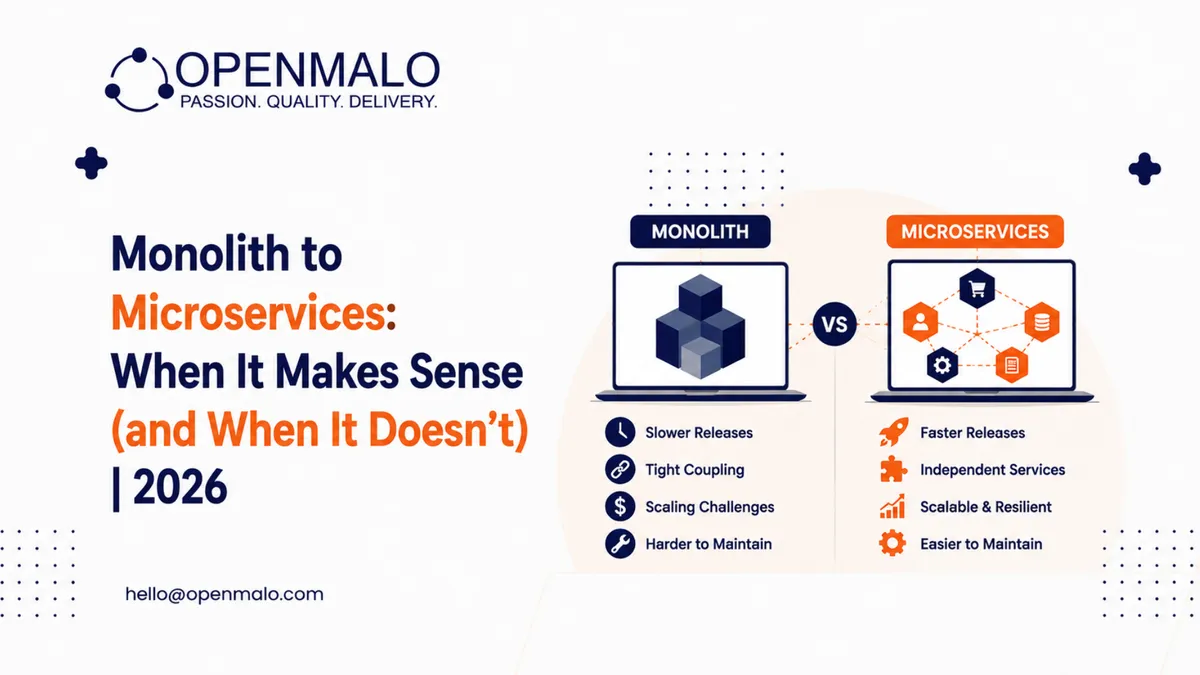
It's the deliberate design of a system's structure before significant code is written. It answers questions like: How is the system divided? How does data move and where does it live? How will it scale under load? How is it secured? What does it integrate with? These decisions shape everything that follows.
Why is technical architecture design worth doing before development starts?
Because architecture decisions are the most expensive ones to change later. The reasons it pays off:
- Avoids costly rebuilds — a wrong foundational choice can mean re-writing large parts of the system.
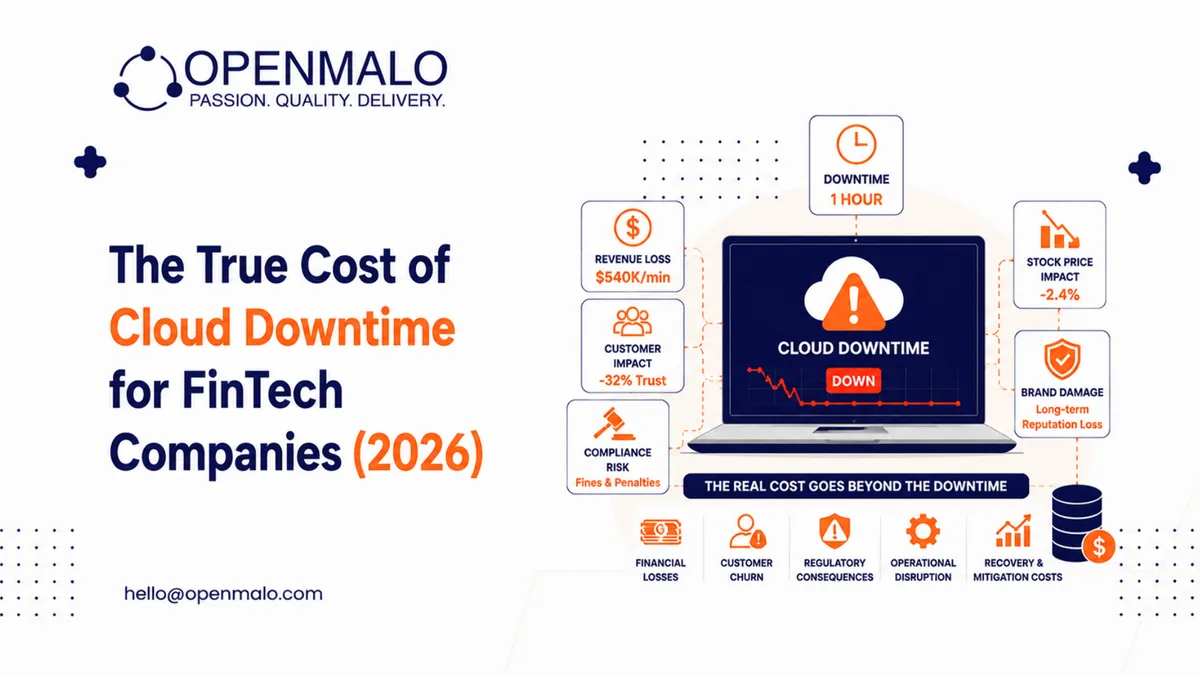
- Prevents outages — scaling and reliability designed in, not bolted on after incidents.
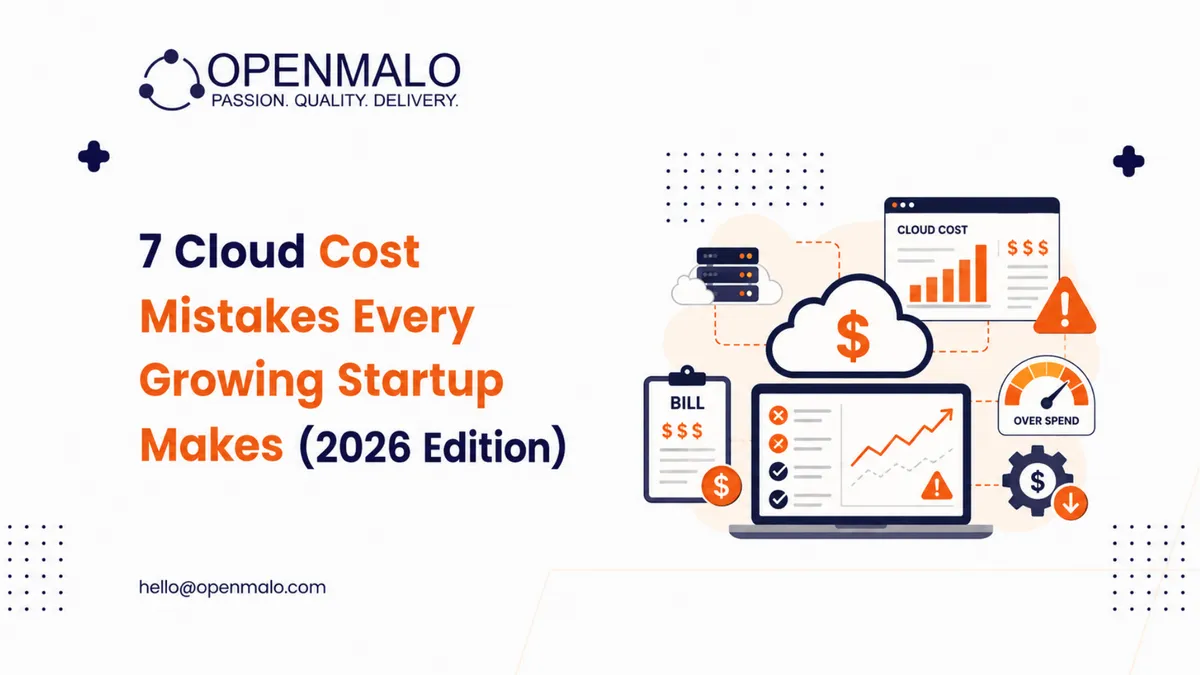
- Controls cost — efficient architecture avoids runaway infrastructure bills.
- Speeds delivery — teams build faster when the structure is clear.
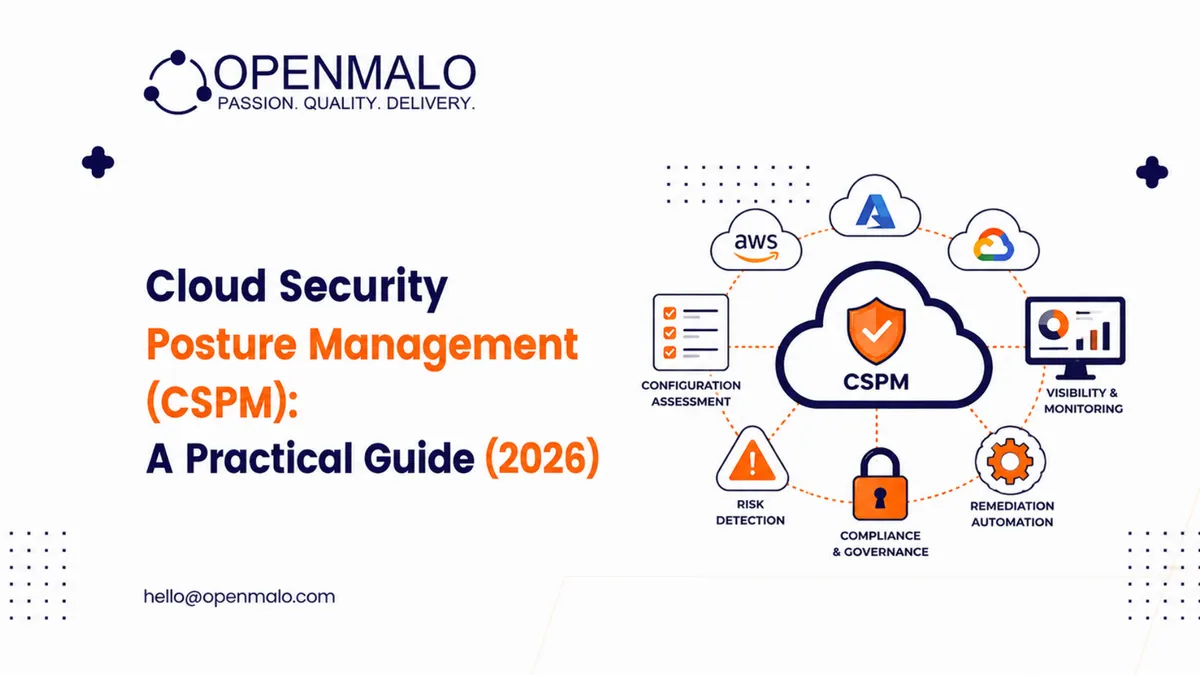
- Bakes in security and compliance — far cheaper than retrofitting. See compliance consulting.
The cost-of-change curve
A change that takes an hour on a whiteboard can take weeks once it's spread across a live codebase and production data. Architecture is where a small amount of upfront thinking saves a disproportionate amount of later rework — which is why experienced teams insist on it.
What does good architecture cover?
- Services & boundaries — how the system is decomposed.
- Data — models, storage, pipelines and ownership. See data engineering.
- Scaling & reliability — how it handles growth and failure.
- Security & compliance — access, encryption, and regulatory alignment.
- Integrations — how it connects to other systems.
When should you invest in architecture design?
Before any significant build — a new product, a major feature, an AI system, or a legacy modernization. It's especially critical for AI systems, where data flow, evaluation and cost decisions made early determine whether the system is affordable and reliable in production.